Zimbabwe is facing an environmental crisis that requires urgent action.
OVERVIEW
Zimbabwe ranks among the world’s most vulnerable countries to the effects of climate change, despite contributing very little to global emissions. It is experiencing increasingly severe weather patterns, such as droughts, floods, and heat waves, that are threatening food and water security for millions of Zimbabweans. These effects are exacerbated by the increasing pressures being placed upon Zimbabwe’s vital ecosystems.
Agriculture
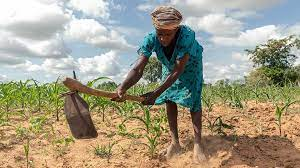
Agriculture is a vital part of Zimbabwe Economy, employing over 60% of the workforce. However, Zimbabwe’s agricultural productivity is among the world’s lowest and is highly sensitive to rising temperatures, unpredictable rain patterns, and severe weather (e.g. droughts and floods)
Further declines in agricultural productivity will have a major impact on rural communities that rely sorely on staple crops for sustenance and income. Crops like wheat-grown by over 60% of Zimbabwe’s farmers -are expected to see a 6-9% decline in yield if average temperatures rise by just 1 degree, (Africa Development Bank).
Air Quality
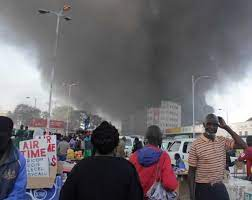
Zimbabwe was ranked among the worst countries the world for air pollution in 2019 by the World Air Quality Report. Several factors have driven this decline in air quality, including emission from vehicles, industrial activity, coal-based power generation, and crop burning. Poor air quality is having a significant impact on quality of life. According to the World Bank, air pollution has an estimated economic burden of $50Bn for Zimbabwe and is a leading cause of sickness and death.
Biodiversity
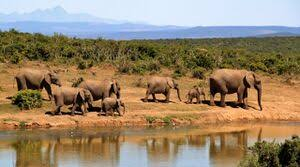
Zimbabwe is blessed with rich variety of ecosystems. These are a home to Zimbabwe’s most treasured wildlife, from white Rhinos, Elephants, Cheaters and Tigers. However, these same species are under major threat due to habitat loss and climate change. The destruction of natural habitats caused by urban sprawl and agriculture, combined with unsustainable harvesting and hunting practices, means that many natives species in Zimbabwe are in decline or face major disruption.
Forests
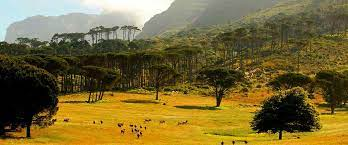
Forests are the cornerstone of Zimbabwe’s fight against climate change. Zimbabwe is blessed with natural forest resources that provide several essential services for human wellbeing: including carbon sequestration, watershed management, soil protection and the conservation of complex ecosystem. Zimbabwe has made great strides in restoring its forests, but it remains a forest-poor country that is under heavy pressure from illegal logging, conversion, and high fuelwood demand.
Waste Management
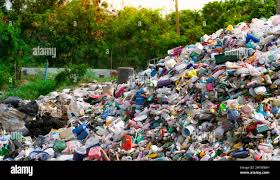
Zimbabwe’s continuing industrialisation had led to a significant rise in waste production, but its cities remain ill-equipped to effectively manage this. In absence of appropriate waste collection and management infrastructure, most solid waste ends up being incinerated or dumped in vacant lots within cities.
Industrial waste is disposed of in similar manner, exposing local communities to toxic pollutants and damaging vulnerable habitats. Beyond the environmental damage it is causing, inadequate waste management represents a growing threat to human wellbeing.
Water Security
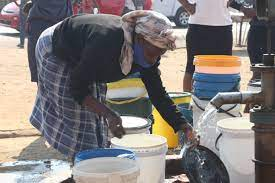
Zimbabwe is facing water crisis, with over 6 million people living without access to clean water (Water Aid). Water availability per person is amongst the lowest in the world, driven by an inefficient utilisation of Zimbabwe’s large water endowment. Agriculture is the largest user of water in Zimbabwe, with four major crops, (Wheat, Tobacco, Maize, and Sugarcane) accounting for almost 70% of water use but generating less than 5% of Zimbabwe GDP. The other side of Zimbabwe’s water insecurity is poor water quality and sanitation, exacerbated by rapid urbanisation and industrialisation. Water borne diseases, typically caused by water supplies that are contaminated by sewage effluent, are a leading cause of death in Zimbabwe.